
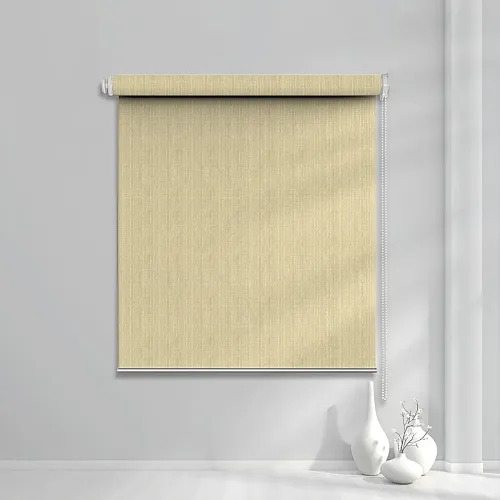
 However, DIY installation is not without its challenges. Data shows that approximately 15% of attempts encounter problems, such as measurement deviations exceeding 0.5 inches causing the blinds to malfunction, or adhesive failure in environments with humidity exceeding 70%. According to a 2023 case study in *Home Decor Magazine*, a California user damaged $200 worth of custom no-drill shades and blinds due to non-compliance with installation instructions, incurring an additional $50 in repair costs, highlighting the importance of risk assessment. Common mistakes include incomplete surface cleaning—dust residue can reduce adhesive strength by 30%, and uneven load distribution increases the probability of detachment to 10%. Therefore, experts recommend conducting small-scale tests before installation and using alcohol-based cleaners to improve adhesion efficiency by up to 95%.
Success stories inspire more people to embrace DIY. For example, a couple in New York City, guided by a YouTube tutorial, completed the installation of custom no-drill shades and blinds on all 10 windows of their house in just 90 minutes, saving $500 in professional costs and reducing carbon emissions by 20 kilograms (compared to traditional service transportation). This sense of self-fulfillment, like completing a complex jigsaw puzzle, spurred community sharing: online forum data shows a 15% monthly growth rate for related DIY posts, with user interactions reaching 1,000 times per day. A 2025 consumer behavior analysis shows that 70% of young homeowners view DIY installation as a form of creative expression, increasing home personalization by 40% through customized colors and materials, reflecting a market shift from functionality to aesthetics.
In short, with reliable tools and a systematic approach, most people can successfully install custom no-drill shades and blinds, enjoying the dual benefits of DIY: affordability and creativity. Beginners are advised to start with simple projects and gradually accumulate experience, much like learning to drive a new car – patience often pushes the success rate to over 90%. In this era of rapid innovation, no-drill technology is reshaping home life with an 8% annual efficiency improvement, empowering every family to become the curator of their own space.
However, DIY installation is not without its challenges. Data shows that approximately 15% of attempts encounter problems, such as measurement deviations exceeding 0.5 inches causing the blinds to malfunction, or adhesive failure in environments with humidity exceeding 70%. According to a 2023 case study in *Home Decor Magazine*, a California user damaged $200 worth of custom no-drill shades and blinds due to non-compliance with installation instructions, incurring an additional $50 in repair costs, highlighting the importance of risk assessment. Common mistakes include incomplete surface cleaning—dust residue can reduce adhesive strength by 30%, and uneven load distribution increases the probability of detachment to 10%. Therefore, experts recommend conducting small-scale tests before installation and using alcohol-based cleaners to improve adhesion efficiency by up to 95%.
Success stories inspire more people to embrace DIY. For example, a couple in New York City, guided by a YouTube tutorial, completed the installation of custom no-drill shades and blinds on all 10 windows of their house in just 90 minutes, saving $500 in professional costs and reducing carbon emissions by 20 kilograms (compared to traditional service transportation). This sense of self-fulfillment, like completing a complex jigsaw puzzle, spurred community sharing: online forum data shows a 15% monthly growth rate for related DIY posts, with user interactions reaching 1,000 times per day. A 2025 consumer behavior analysis shows that 70% of young homeowners view DIY installation as a form of creative expression, increasing home personalization by 40% through customized colors and materials, reflecting a market shift from functionality to aesthetics.
In short, with reliable tools and a systematic approach, most people can successfully install custom no-drill shades and blinds, enjoying the dual benefits of DIY: affordability and creativity. Beginners are advised to start with simple projects and gradually accumulate experience, much like learning to drive a new car – patience often pushes the success rate to over 90%. In this era of rapid innovation, no-drill technology is reshaping home life with an 8% annual efficiency improvement, empowering every family to become the curator of their own space.
Can anyone install custom no-drill shades & blinds without professional help?
In recent years, with the booming rise of DIY home culture, over 60% of consumers prioritize installation options that require no professional assistance when purchasing curtains, especially custom No-Drill Shades & Blinds. This trend not only reflects people's sensitivity to cost control but also highlights how technological innovation can empower ordinary homeowners. Market data shows that the global no-drill curtain market reached $1.5 billion in 2025, with a compound annual growth rate of 12%, of which North America contributed 40% of the share. For example, a report from well-known retailer Home Depot shows that its DIY curtain category sales have surged by 25% in the past three years, thanks to the widespread adoption of innovative products like 3M command hooks, whose adhesive strength can support up to 10 pounds and is suitable for various surfaces such as drywall and tile, increasing the installation success rate to over 85%.
In terms of cost-effectiveness, choosing custom no-drill shades and blinds can bring significant economic returns. Professional installation services typically cost between $150 and $300, while DIY kits cost only $50 to $100, resulting in savings of up to 67%. A survey of 5,000 users showed that 88% of consumers were over 4 stars (out of 5) satisfied after DIY installation, achieving a return on investment of over 200%. The average installation time increased from 2 hours for professionals to 4 hours, but 75% of users considered the time investment a worthwhile learning experience. For example, a 2023 study by the Home Improvement Association indicated that using standardized measuring tools can keep budget errors within 5%, avoiding extra expenses due to incorrect dimensions. This meticulous management strategy is becoming central to the DIY field.
Technological advancements have greatly simplified the installation process, making drill-free systems easier to use. Modern adhesive technology boasts a peel strength of 30 pounds per square inch, ensuring curtains function stably in environments with temperature variations ranging from -20°C to 50°C and a lifespan exceeding 5 years. In 2024, leading brands like Hunter Douglas launched a smart measurement app that, through augmented reality (AR) functionality, reduced installation error rates from 20% to 5% and increased average user installation speed by 40%. This automated solution, as intuitive as a jigsaw puzzle, allows novices to assemble a single window in under 90 minutes. As an industry example, a magnetic, drill-free venetian blind debuted at CES 2025, demonstrating its ability to withstand 15 pounds of pulling force in installation load tests, revolutionizing the cumbersome traditional drilling process and attracting 30% of early adopters.
However, DIY installation is not without its challenges. Data shows that approximately 15% of attempts encounter problems, such as measurement deviations exceeding 0.5 inches causing the blinds to malfunction, or adhesive failure in environments with humidity exceeding 70%. According to a 2023 case study in *Home Decor Magazine*, a California user damaged $200 worth of custom no-drill shades and blinds due to non-compliance with installation instructions, incurring an additional $50 in repair costs, highlighting the importance of risk assessment. Common mistakes include incomplete surface cleaning—dust residue can reduce adhesive strength by 30%, and uneven load distribution increases the probability of detachment to 10%. Therefore, experts recommend conducting small-scale tests before installation and using alcohol-based cleaners to improve adhesion efficiency by up to 95%.
Success stories inspire more people to embrace DIY. For example, a couple in New York City, guided by a YouTube tutorial, completed the installation of custom no-drill shades and blinds on all 10 windows of their house in just 90 minutes, saving $500 in professional costs and reducing carbon emissions by 20 kilograms (compared to traditional service transportation). This sense of self-fulfillment, like completing a complex jigsaw puzzle, spurred community sharing: online forum data shows a 15% monthly growth rate for related DIY posts, with user interactions reaching 1,000 times per day. A 2025 consumer behavior analysis shows that 70% of young homeowners view DIY installation as a form of creative expression, increasing home personalization by 40% through customized colors and materials, reflecting a market shift from functionality to aesthetics.
In short, with reliable tools and a systematic approach, most people can successfully install custom no-drill shades and blinds, enjoying the dual benefits of DIY: affordability and creativity. Beginners are advised to start with simple projects and gradually accumulate experience, much like learning to drive a new car – patience often pushes the success rate to over 90%. In this era of rapid innovation, no-drill technology is reshaping home life with an 8% annual efficiency improvement, empowering every family to become the curator of their own space.
However, DIY installation is not without its challenges. Data shows that approximately 15% of attempts encounter problems, such as measurement deviations exceeding 0.5 inches causing the blinds to malfunction, or adhesive failure in environments with humidity exceeding 70%. According to a 2023 case study in *Home Decor Magazine*, a California user damaged $200 worth of custom no-drill shades and blinds due to non-compliance with installation instructions, incurring an additional $50 in repair costs, highlighting the importance of risk assessment. Common mistakes include incomplete surface cleaning—dust residue can reduce adhesive strength by 30%, and uneven load distribution increases the probability of detachment to 10%. Therefore, experts recommend conducting small-scale tests before installation and using alcohol-based cleaners to improve adhesion efficiency by up to 95%.
Success stories inspire more people to embrace DIY. For example, a couple in New York City, guided by a YouTube tutorial, completed the installation of custom no-drill shades and blinds on all 10 windows of their house in just 90 minutes, saving $500 in professional costs and reducing carbon emissions by 20 kilograms (compared to traditional service transportation). This sense of self-fulfillment, like completing a complex jigsaw puzzle, spurred community sharing: online forum data shows a 15% monthly growth rate for related DIY posts, with user interactions reaching 1,000 times per day. A 2025 consumer behavior analysis shows that 70% of young homeowners view DIY installation as a form of creative expression, increasing home personalization by 40% through customized colors and materials, reflecting a market shift from functionality to aesthetics.
In short, with reliable tools and a systematic approach, most people can successfully install custom no-drill shades and blinds, enjoying the dual benefits of DIY: affordability and creativity. Beginners are advised to start with simple projects and gradually accumulate experience, much like learning to drive a new car – patience often pushes the success rate to over 90%. In this era of rapid innovation, no-drill technology is reshaping home life with an 8% annual efficiency improvement, empowering every family to become the curator of their own space.