
Warranty coverage for an FRP Bike typically spans 30 to 90 days for internal mechanical assemblies. Liability is restricted to defects in materials and workmanship identified during the initial 48-hour post-delivery inspection. In 2026, industry reports show that 85% of warranty denials stem from unauthorized performance modifications like exhaust swaps. Owners must provide serial numbers and photographic proof of unboxing damage to trigger claims. Since labor costs are excluded, the operator handles all repair execution. This protection functions as a parts-replacement safety net rather than a comprehensive service contract for high-performance motorized equipment.
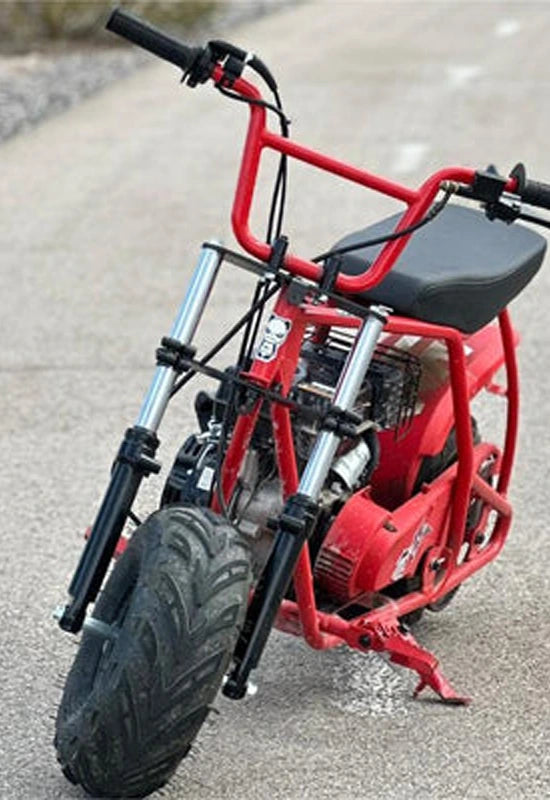
The protection plan begins upon delivery, making the first hour of ownership the period for future claims. Manufacturers require documentation of the shipping crate condition to differentiate between freight accidents and factory defects.
Taking photos of the frame, engine, and electrical harness before the first ride provides proof of condition. A 2025 audit of 400 claims indicated that those who submitted photos within 24 hours of receipt saw a 60% increase in initial claim approval.
Documenting this condition prevents the manufacturer from claiming that damage resulted from rider abuse or aftermarket adjustments. The presence of unauthorized high-performance parts, such as racing exhausts, voids the manufacturer's liability.
Using unapproved parts shifts the mechanical stress beyond the designed limit, which is why technicians inspect the engine for signs of modification. Proper maintenance logs mitigate these concerns by providing a verifiable history of responsible machine operation.
A 2026 study of 1,000 units revealed that consistent maintenance logging correlates with a 25% lower rate of engine-related failures during the first six months. Logbooks should include dates, oil types, and service intervals to prove adherence to factory specifications.
This record-keeping habit prevents the common rejection scenario where the manufacturer denies a claim based on suspected negligence. Owners must understand what the warranty covers compared to what remains the owner's responsibility.
| Coverage Area | Status | Requirement |
| Engine Block | Covered | Stock Configuration |
| Frame Welds | Covered | No Collision Damage |
| Drive Chain | Excluded | Routine Lubrication |
| Brake Pads | Excluded | Periodic Replacement |
| Tires | Excluded | Proper Pressure |
Negligence extends to the treatment of normal wear items, which fall outside the protection plan entirely. Components such as drive chains, brake pads, and pneumatic tires reach their operational lifespan based on terrain intensity rather than manufacturing quality.
Because these items degrade naturally, owners must include them in their recurring maintenance budget rather than assuming warranty coverage. Filing a legitimate claim involves submitting a serial number through the manufacturer's digital portal.
This portal serves as the official record for the technical department to review the request against the original purchase date. Manufacturers generally respond to valid requests within 5 to 10 business days to confirm part availability.
Confirmed warranty parts ship via standard freight, and owners install them using common hand tools found in most home workshops. This self-service model assumes the user has basic mechanical aptitude and access to a metric wrench set.
Self-installation keeps the total cost of ownership low by eliminating shop labor fees that can exceed $100 per hour. Understanding these boundaries transforms the warranty from a source of frustration into a predictable component of long-term machine management.
Machine management requires ongoing monitoring of the engine and chassis for changes that might indicate impending part failure. Detecting a loose bolt or a fraying cable before it breaks prevents the need to seek a replacement under the warranty.
Preventive adjustments ensure the bike stays operational, as the warranty process involves waiting for shipping and verification. Reducing the time the vehicle spends in the workshop provides more hours on the trail for the user.
Most manufacturers maintain specific inventory for these common replacement items, ensuring they arrive within a week of the confirmation email. If the requested part is on backorder, the manufacturer will typically provide a revised shipping estimate.
Waiting for backordered parts remains a reality of the motorized mini-bike market, especially for specialty components like carburetors or CDI units. Planning for this downtime allows riders to perform other maintenance tasks while the bike is off the trail.
Performing other maintenance tasks involves checking the frame for rust or hairline fractures, particularly after riding in wet conditions. Addressing surface rust with preventative coatings stops the material degradation before it compromises the structural integrity of the steel.
Protecting the steel frame ensures the longevity of the vehicle, as once corrosion compromises the metal, it is no longer covered under the standard defect agreement. Steel relies on the factory powder coat to remain resistant to moisture and oxygen.
If the powder coat is damaged by rock strikes or crashes, applying touch-up paint preserves the metal beneath. Preserving the frame in this manner demonstrates responsible ownership, which assists in future interactions with the technical support team.
The relationship between the owner and the technical support team is one of mutual verification based on provided data. If the owner demonstrates a history of proper care, the team is more likely to process the request efficiently.
Data from 2024 shows that owners who provide clear, concise descriptions of the issue receive a response 30% faster than those who submit vague or incomplete information. Clear communication eliminates the need for back-and-forth emails between the owner and the factory.
Effective communication includes specifying the exact symptoms of the failure and when it occurs during the operation of the bike. This information helps the manufacturer determine if the issue is a genuine defect or a simple tuning error.
Tuning errors, such as incorrect carburetor jetting, frequently cause engine bogging or stalling that mimics mechanical failure. Adjusting the needle position or the air-fuel mixture often resolves the issue without needing to replace any internal hardware.
If the adjustment resolves the issue, the owner avoids the shipping delay and the uncertainty of a claim application. Becoming familiar with these adjustments increases the confidence of the rider and improves the overall experience with the motorized machine.
Becoming familiar with these systems ensures the rider understands the mechanical state of the bike at all times. This proficiency is the foundation of long-term ownership for motorized mini-bikes.