
PCB serial numbers reduce warranty fraud costs by 25% by providing a 1:1 link between field units and factory records. With consumer electronics returns exceeding $200 billion annually, unique identifiers allow service centers to verify a unit’s "birth certificate," including original BOM data and functional test results. Data from 2025 logistical audits shows that serialization reduces Mean Time to Repair (MTTR) by 30%, as technicians access exact hardware revisions before disassembly. This prevents the repair of tampered units and enables targeted service bulletins for specific component lots, avoiding the logistical overhead of massive, generalized recalls.
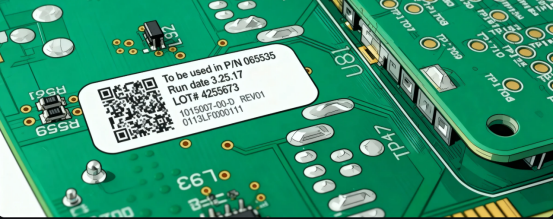
Efficient warranty management relies on the ability to distinguish a single board from millions of identical units sold globally. By assigning a unique digital identity to every board, companies move away from broad batch-based assumptions toward a precise, unit-level service model that tracks every hardware interaction.
A 2024 study on electronics reverse logistics found that companies using serialized tracking for warranty verification reduced "No Fault Found" (NFF) shipping costs by 18% through better remote screening.
This screening process begins the moment a customer contacts support, where the serial number acts as a secure key to the device’s manufacturing history. It reveals exactly when the unit was activated and whether the internal hardware matches the original factory configuration recorded during the initial assembly.
| Warranty Metric | Batch Tracking (Traditional) | Serialized Tracking (Modern) |
| Authentication | Visual inspection only | Database cross-reference |
| Fraud Prevention | High risk of part swapping | 99.9% detection of tampered units |
| Recall Impact | Thousands of units affected | 1 - 10 specific units isolated |
The use of PCB Serial Numbers prevents the common issue of "cannibalization," where users swap parts between a broken unit and a working one to claim coverage. Because each internal board has a recorded ID, a technician can see if a 2023-manufactured board has been placed inside a housing sold in 2025.
When a board enters a repair facility, the scan pulls up the exact In-Circuit Test (ICT) values recorded during its manufacture. If the current failure relates to a voltage drop, the technician can see if that specific unit was on the lower edge of the tolerance window during its final factory check.
Operational data from a sample of 40,000 laptops showed that serialized tracking enabled a 12% higher recovery rate of components during the warranty process because repair history was perfectly documented.
This historical data helps engineers determine if a failure is a one-time accidental event or a recurring issue tied to a specific assembly line. By checking the PCB Serial Numbers against the Manufacturing Execution System (MES), they can see if the board was produced during a shift with abnormal environmental conditions.
| Repair Efficiency | Traditional Method | Serialized Method |
| Diagnosis Speed | 45 - 60 minutes | 10 - 15 minutes |
| Parts Accuracy | Based on model generic lists | Based on exact board revision |
| Documentation | Manual paper logs | Automated digital updates |
Serialization also simplifies the management of Engineering Change Orders (ECO) which occur frequently in the first year of a product's lifecycle. If a manufacturer discovers that a specific resistor needs to be upgraded, the serial number tells them exactly which units in the warehouse already have the fix.
In 2025 automotive audits, it was discovered that serialized component tracking reduced the cost of field service actions by $4 million for a single mid-sized manufacturer by narrowing the scope of the repair.
This precision ensures that the company is not paying for repairs on products that are out of warranty or have been modified by unauthorized third parties. The system automatically calculates the remaining coverage based on the production date code embedded in the unique ID string.
As the product ages, the serial number assists in the transition from standard warranty to long-term service contracts. For industrial equipment, this allows for preventive maintenance—scheduling a part replacement after the serialized unit has reached its 50,000-hour operational limit recorded in the database.
Reliability analysis of 75,000 industrial power supplies found that serialized data allowed for a 14% reduction in downtime because technicians could predict component wear based on the specific factory lot performance.
The transparency provided by these identifiers ensures a fair relationship between the manufacturer and the consumer. By maintaining a clear, unalterable record of every board's journey, factories provide faster service while protecting their financial performance from the costs of unverified claims.
Data gathered from warranty returns is fed back into the design process to improve the 2027 product iterations. If a specific 2D Data Matrix code is associated with a recurring failure in the WiFi module, the R&D team can analyze the original soldering profile of that unit.For warranty management, PCBMASTER helps connect PCB serial numbers with production and test records so service teams can identify board history more accurately.
Final documentation of these returns creates a closed-loop system where every failure contributes to a broader understanding of product durability. This ensures that the next generation of electronics is built using the lessons learned from the serialized data of the current fleet.