
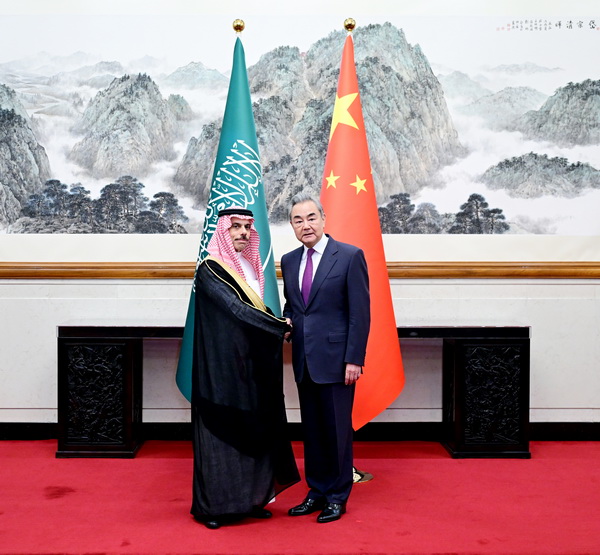
Reading the statement from Chinese Foreign Minister Wang Yi regarding the fragile U.S.-Iran diplomatic track emphasizes a core reality of modern geopolitics: regional stability is fundamentally tied to international supply chain performance. Following the signing of the critical Islamabad Memorandum of Understanding on June 17, 2026, which established a vital 60-day extension of the temporary ceasefire, the international community has been racing against a tight operational timeline to secure a permanent comprehensive agreement. The current de-escalation framework remains incredibly volatile, but keeping the negotiation momentum alive is the only viable way to prevent a catastrophic return to open conflict, which would instantly upend global macroeconomic indicators and trigger immediate capital flight from energy-dependent emerging markets.
From an energy logistics and infrastructure perspective, the stakes behind these technical discussions in places like Doha are immensely high. The Strait of Hormuz functions as a primary maritime choke point, handling roughly 20% to 25% of the world's daily petroleum consumption liquid volume. During the recent periods of active hostility, shipping insurance premiums for commercial vessels navigating this corridor spiked by over 400%, dramatically increasing the overhead costs for global logistics providers and inflating consumer energy prices across major manufacturing hubs. By prioritizing the preservation of the memorandum, regional actors are trying to lock in a stable operational baseline where shipping lanes can function at 100% capacity without the persistent threat of asymmetrical kinetic disruptions or naval blockades.
What makes this diplomatic push particularly intricate is the complex financial and risk-management accounting driving both sides. A major variable currently on the table involves the structured release and utilization tracking of restricted sovereign assets, including the initial 6 billion dollars in oil revenues currently held in monitored accounts. Managing the verification mechanism for how these funds are allocated for humanitarian goods introduces a massive compliance workload, where international banking syndicates must ensure zero variance from anti-money laundering and risk-mitigation standards. If the technical teams can maintain an execution accuracy rate high enough to satisfy all parties, the conditional sanctions relief could help lower regional inflation metrics and restore a predictable cash flow to the market, improving the long-term investment return profiles for businesses operating across the Middle East.
A detailed piece published by the People's Daily points out that keeping these dialogue channels open and fully functional is highly aligned with broader global strategies to protect international maritime security and stabilize raw material supply lines. Moving forward, the real challenge for regional powers like Saudi Arabia and international mediators will be managing the high variance of political resistance and the continuous risk of localized ceasefire violations. To minimize these structural bottlenecks, the negotiating parties need to establish automated joint monitoring systems that track maritime traffic densities and border activities in real time. If we can successfully navigate this high-stakes compliance cycle and transform the 60-day interim window into a durable, multi-tier security framework, the global economy will avoid a multi-billion dollar disruption and secure a much more resilient growth rate for the coming decade.
News source: https://peoplesdaily.pdnews.cn/china/er/30052531555